How to Receive Constructive Criticism and Feedback (without losing your $hit)

How-to-Receive-Constructive-Criticism-and-Feedback-without-losing-your-hit Chad McMillan

Many of us perceive ourselves to be experts in our field, but are we?  Do we know what we don't know?  And how to we come about knowing what we don't know?

In the first few days of writing here I've felt compelled to talk a lot about intuition, because I find that many lead with their minds, and not their instincts, nor their hearts, while I would suggest the art of learning and knowing are still very much more than this.

I believe that all people we are connected to and connect with are our mirrors and messengers.  How do we communicate and receive from them?  Do we listen to their feedback?  Do we encourage it?  From what perspective or level of experience is their feedback valid?

Many when they receive feedback resist it in argumentative or defensive form, and many when they provide it shame and criticize their targets as well.  In my opinion this is a low vibrating relationship with this important and valuable process for growth.  For my part, I want to know if others think I suck at something and why. (I like to think I'm pretty good at a lot of things, but if I can't accept personally that I might not be great at everything, nor if I can't receive the feedback as to how I am not and need to improve in certain areas, then how am I supposed to get better at those things I am not the best at?)

How to Receive Feedback and Constructive Criticism - Chad McMillan


Today, instead of criticizing others or resisting feedback, I suggest trying to accept these people and processes as your teachers.  Encourage candid feedback to your benefit, while also providing constructive, non-personal and non-judgemental feedback to others for theirs, so that we can then all collectively flow into the areas of improvement we all need to today and going forward.  We are all both experts and amateurs, in different areas of life at the same time, and sometimes, not in which areas we actually think we are.

A humbling perspective, no?

If you want some more insights into my own work in this regard, check out my links below.

Chad McMillan, creative entrepreneur and strategic advisor
Chad McMillan

Chad McMillan is a creative entrepreneur and strategic advisor with over 20 years of experience in and around the capital markets, focused on finding hidden potential in companies, ideas, markets and people, and advancing what they can become.

Leave a comment

Comments will be approved before showing up.


Continue Exploring

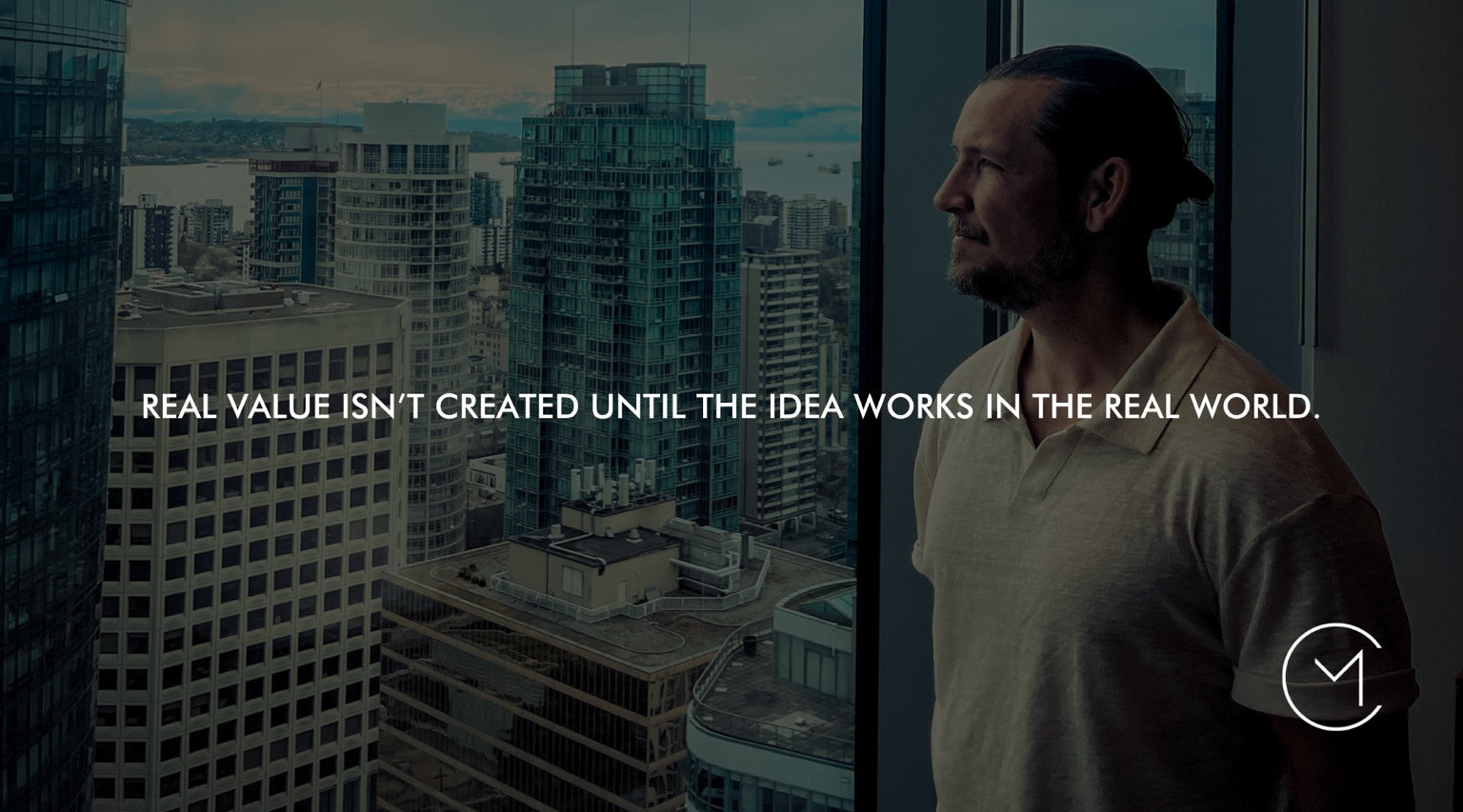
A man looks over a city from a high-rise window, illustrating commercialization and the process of making an idea work in the real world.
Commercialization: The Gap Between a Great Idea and a Business That Works

A technology, invention or creative idea does not create value simply because it exists. Commercialization is the work of connecting it to a customer, business model, distribution system and economic reason to scale.
Read More
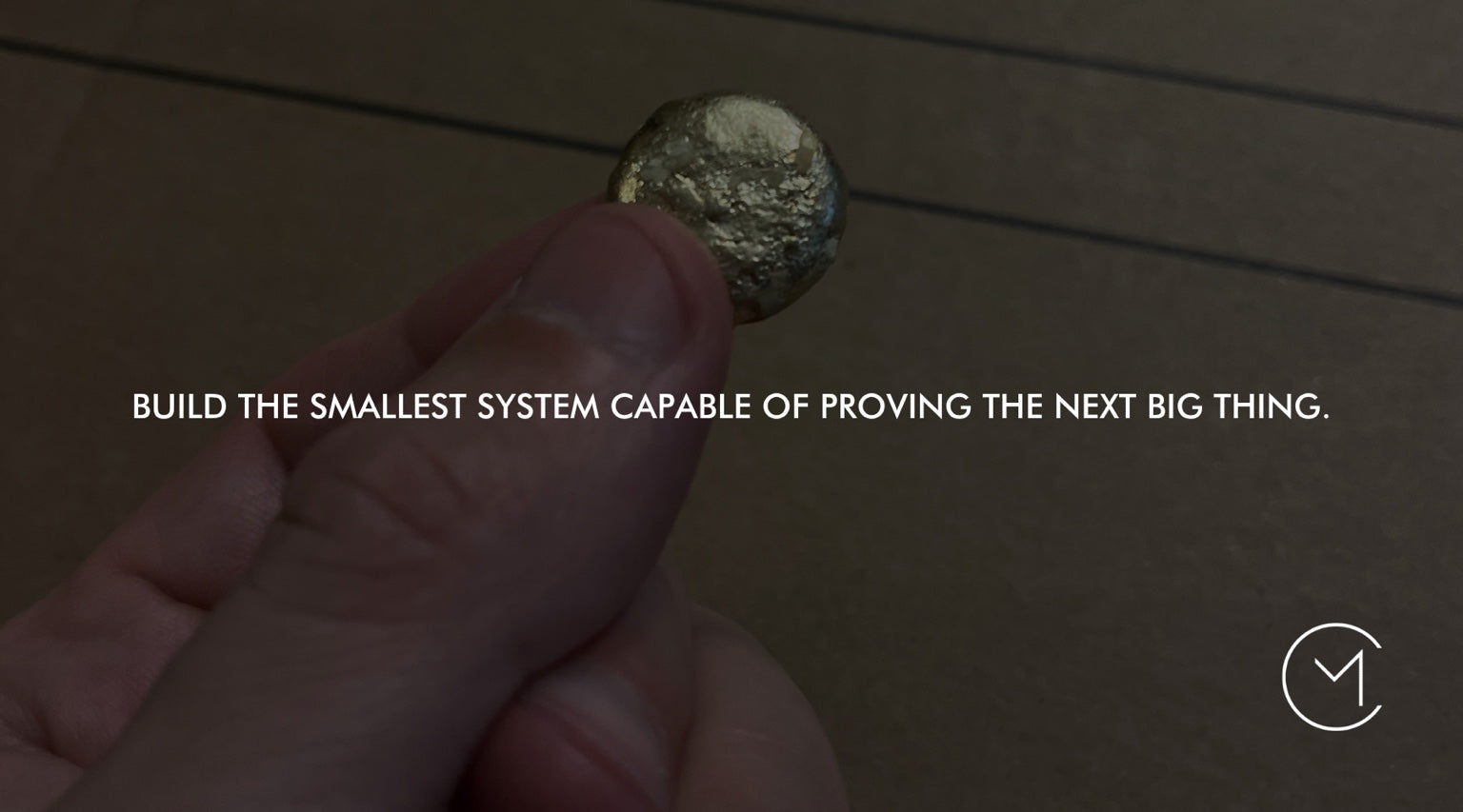
A hand holds a small metallic sphere, illustrating the venture-building principle of creating the smallest system capable of proving the next thing.
Venture Building: How I Think About Turning an Idea Into a Real Business

Ideas are abundant. Venture building is the process of turning an interesting possibility into something customers want, economics can support and a team can actually execute.
Read More
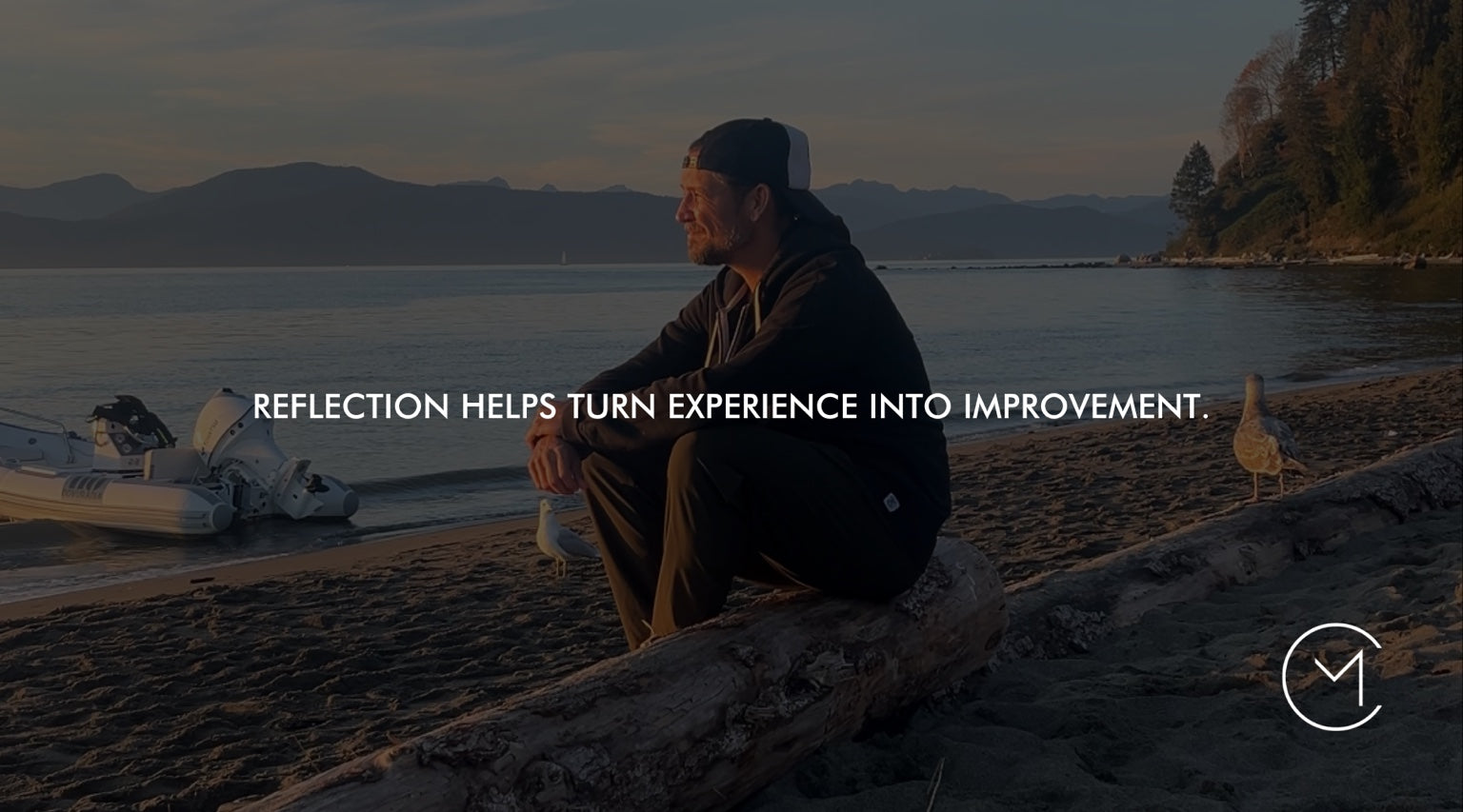
A man sits on a beach at sunset, illustrating how reflection can turn experience into learning and improvement.
Why Reflection Matters More Than Constant Motion

Momentum feels productive, but without reflection it is easy to repeat the same patterns faster. I value periods of review because they turn experience into learning and motion into direction.
Read More
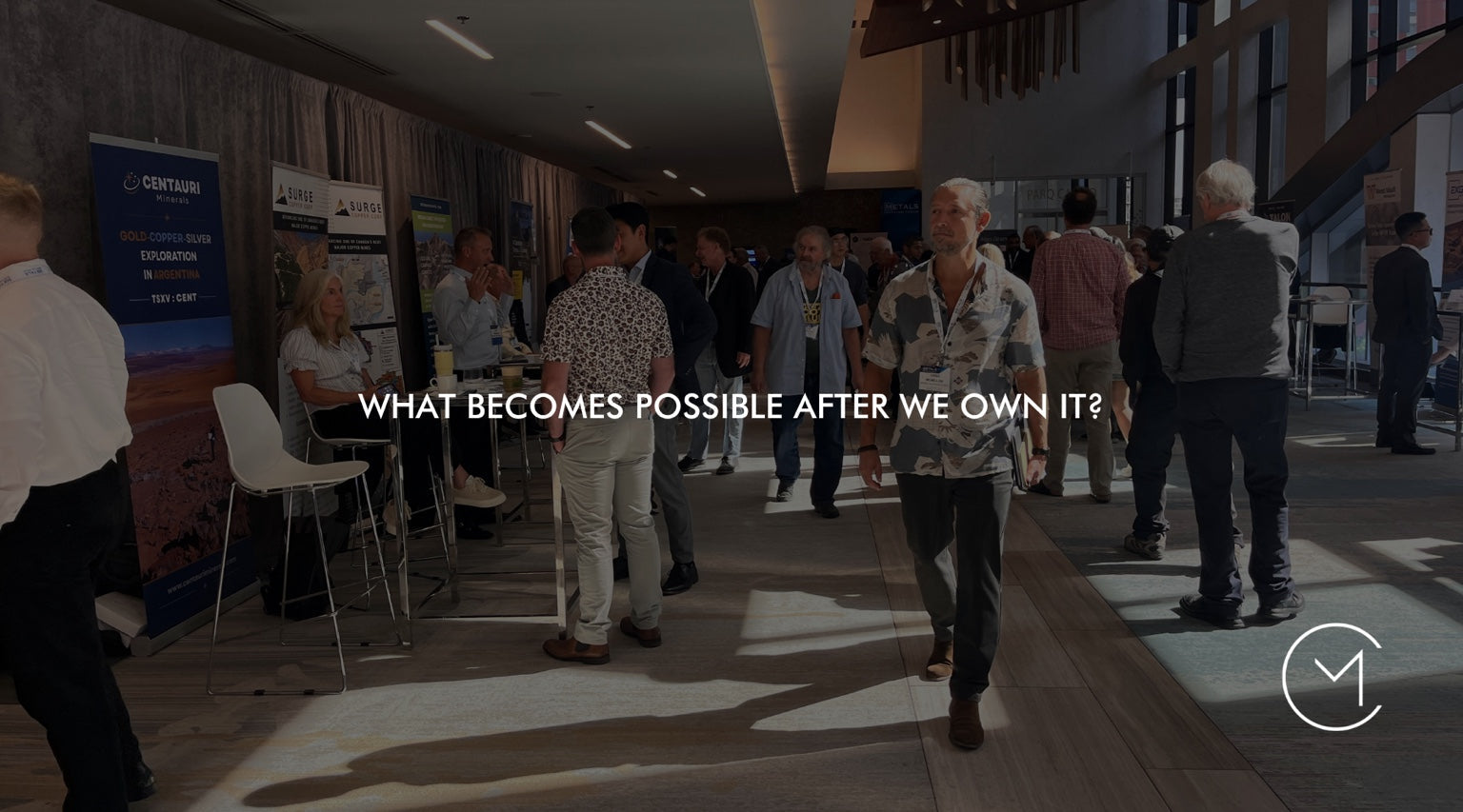
A man walks through a business conference, illustrating the strategic question of what becomes possible after an acquisition.
Mergers & Acquisitions: I Think of M&A as a Strategic Tool, Not a Strategy

An acquisition can accelerate a strategy, but it cannot replace one. I look at M&A through the lens of strategic fit, value creation, structure, integration and what becomes possible after the deal.
Read More