Your Cart is Empty


One of the strange things about leadership is that the more consequential the decision becomes, the less likely you are to have perfect information.
If the answer were obvious, it would not really be a strategic decision.
You are deciding whether to raise now or later, hire someone, fire someone, enter a market, buy a company, abandon a project, change the product, accept a deal or keep going.
I try to make those decisions more manageable by changing the questions.
Teams can spend hours debating options when they have not agreed on the decision itself.
What outcome are we trying to produce? What constraint are we solving? What time horizon matters?
Then I separate reversible and irreversible decisions.
If something can be tested cheaply and reversed, I would rather move and learn than spend months trying to eliminate uncertainty intellectually.
If the decision is difficult to reverse, the threshold for diligence should be much higher.
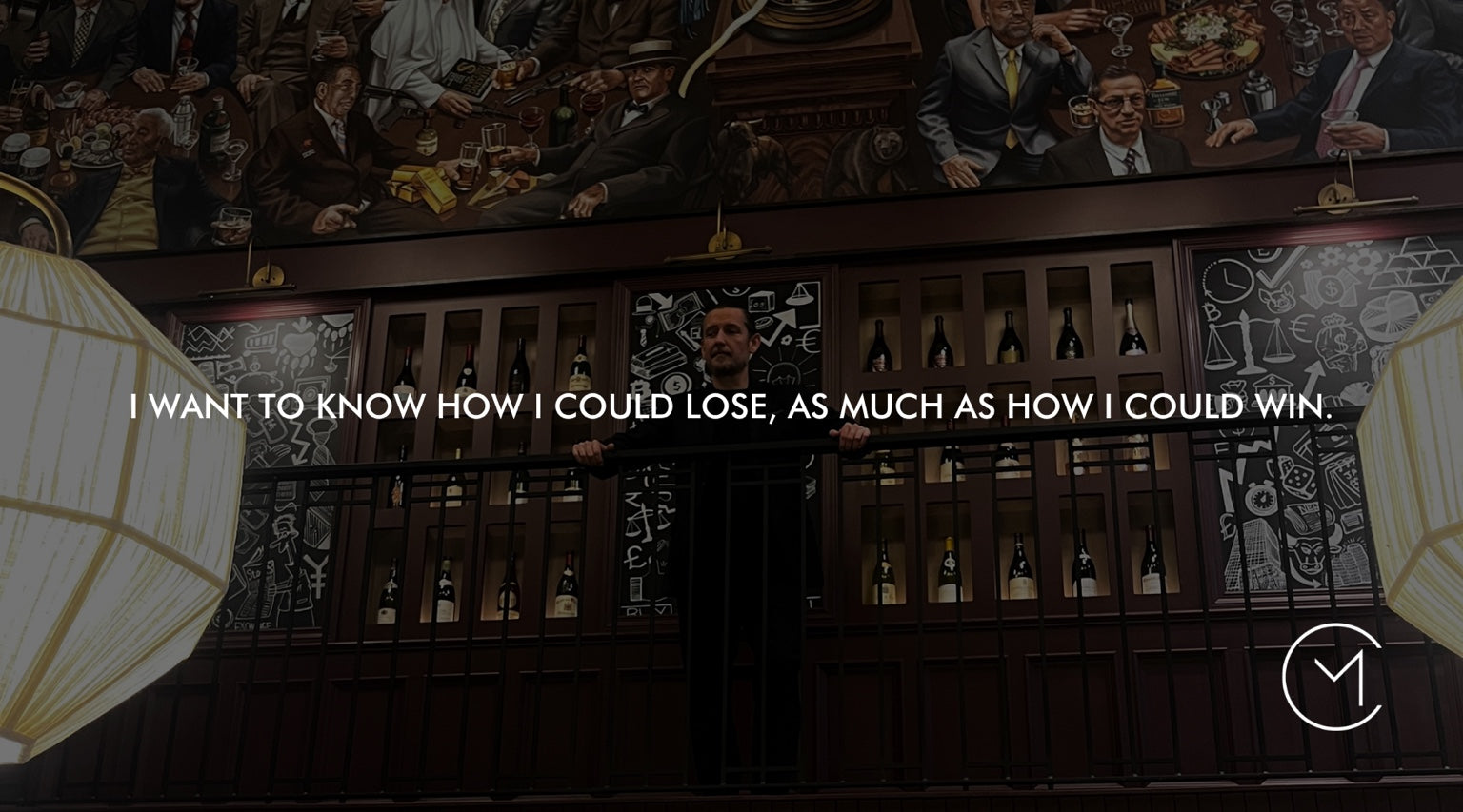
I like asking what happens if we are wrong.
Not because I want to make decisions from fear, but because downside clarity creates freedom. If the downside is survivable, you can often move more aggressively. If being wrong threatens the company, you structure the decision differently.
Then there is opportunity cost. Every yes consumes money, time and management attention that cannot be spent somewhere else.
This is where strategy helps. A clear strategy gives you a filter. Does this move us toward what we said we are building, or is it simply an interesting opportunity?
Some decisions need a deadline. More information has value until the cost of waiting becomes greater than the likely value of what you will learn.
Once the decision is made, define what evidence would tell you it is working and what evidence would cause you to change course.
That is not indecision. It is adaptive execution.
This connects to my broader Business Strategy & Corporate Transformation framework. Strategy creates direction. Decisions allocate resources. Results create information. Then you adapt.
This article is part of my Business & Strategy authority series. Continue with Business & Strategy hub, Growth Strategy: Find the Constraint Before You Chase More Growth, Corporate Turnarounds: How I Think About Fixing a Business That Isn't Working and How I Evaluate an Acquisition Target Before Getting Excited About the Deal.

Comments will be approved before showing up.