Your Cart is Empty


I can forgive a lot of things in an early-stage company.
I can’t do much with people I don’t trust.
That is why management is usually the first thing I look at when I’m evaluating a small public company. The project matters. The capital structure matters. The treasury matters. But somebody still has to turn all of that into an outcome.
Everybody has a polished bio. I want to know what happened in the last company.
Did they build something? Raise capital? Make a discovery? Complete an acquisition? Create value for shareholders? What happened when things went wrong?
I don’t require a perfect record. Nobody who has spent enough time building ventures has one. I do want a record I can understand.
This is a skill that gets underestimated outside the junior markets.
An early-stage public company can have an extraordinary project and still fail because it runs out of money. Management has to know how to tell the story, build relationships with capital, structure a financing and keep enough runway to reach the next meaningful milestone.
That doesn’t mean promoting the stock endlessly. It means understanding capital formation as part of operating the company.
I like teams that build around their gaps. A great geologist doesn’t automatically know securities law. A brilliant technical founder may not know investor relations. A finance person may not know how to operate a mine.
The best teams understand that and bring the right people into the room. Public venture capital is a team sport.
I want management to have a meaningful reason to care about the equity. I look at ownership, options, compensation and related-party arrangements with that in mind.
I also pay attention to whether management communicates clearly when things are going well and when they aren’t. Early-stage ventures miss timelines. Results disappoint. Markets close. Things happen.
I would rather hear a clear explanation of what changed than a new layer of hype designed to distract me from the last promise.
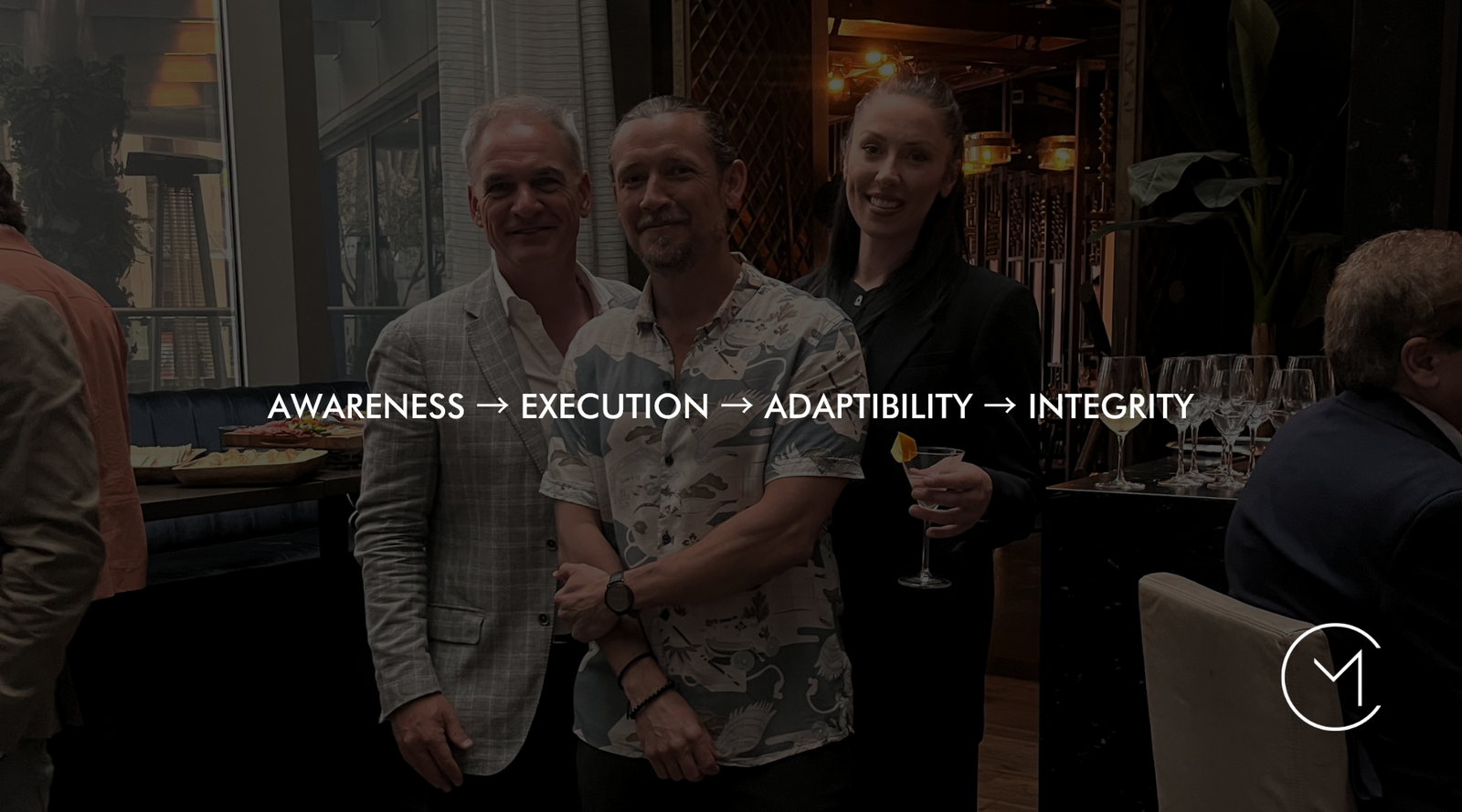
For me, the best small-cap management teams combine industry competence, capital-markets awareness, execution, adaptability and integrity.
Read How I Evaluate a Small-Cap Public Company for the full framework, and Catalysts for how I connect management execution to what can change the story.
Explore the Capital Markets hub for the complete collection of frameworks and articles.
This article is part of my Public Venture Capital authority series. Continue with What Is Public Venture Capital? A Guide to Early-Stage Public Companies, Brokered vs. Non-Brokered Financings in Small-Cap Public Companies, What Is a Public Company Shell — and Why Can It Be Valuable? and CPCs and Capital Pool Companies: A Canadian Path to the Public Markets.
This article reflects my personal experience and opinions and is not investment advice.

Comments will be approved before showing up.