Your Cart is Empty


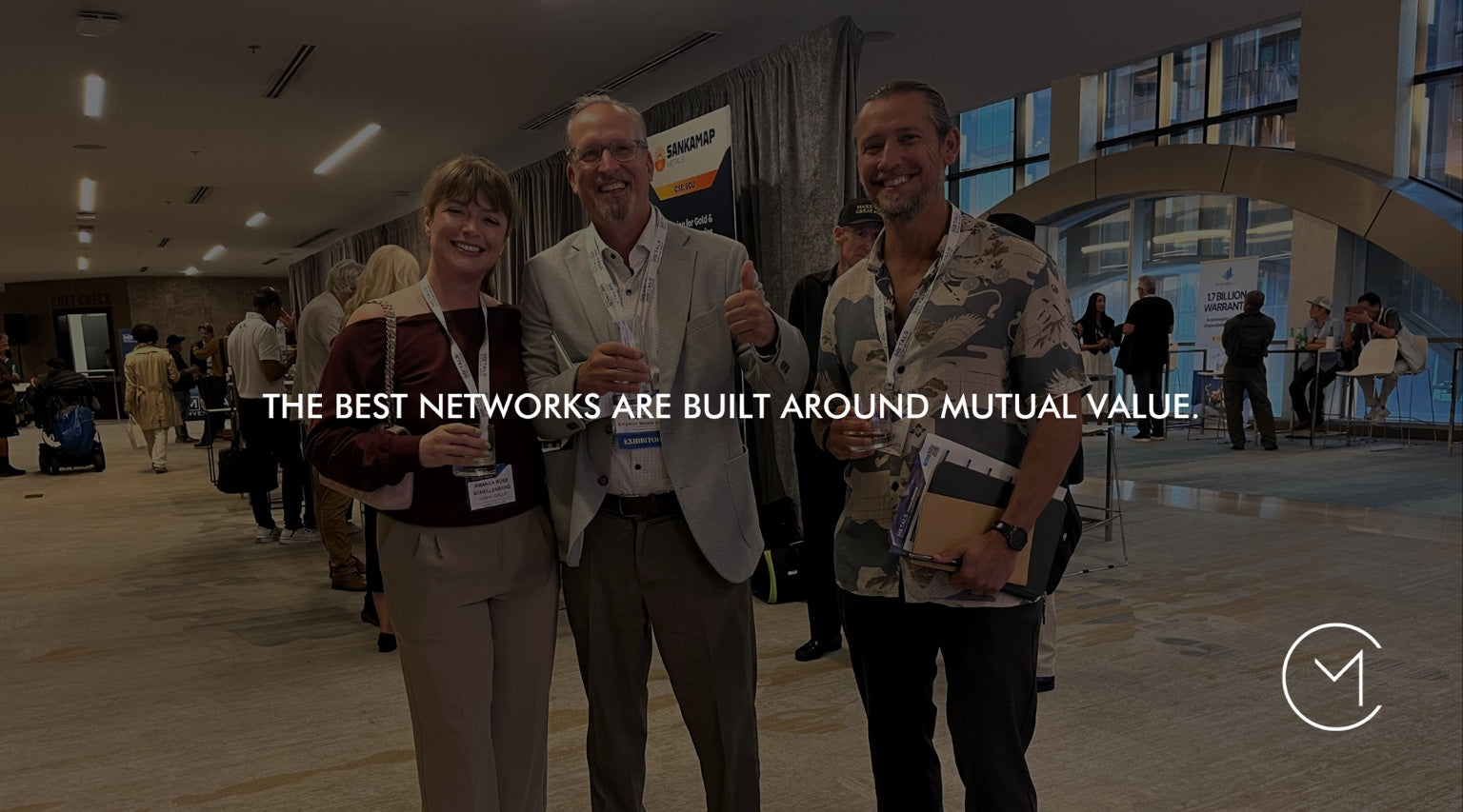
I do not think business development is the same thing as networking.
A large contact list can be useful. It is not, by itself, a business-development strategy.
Business development starts with a strategic need and asks whether another person or organization can help solve it in a way that also creates value for them.
That could mean customers, distribution, capital, technology, supply, talent, market access, credibility, data or an acquisition opportunity.
The best partnerships often exist because each side has something the other would otherwise have to build.
Before approaching someone, I want to be able to answer two questions.
Why are they useful to us?
And more importantly: why are we useful to them?
If the second answer is weak, the outreach usually feels like asking for a favour.
This is one of the simplest ways to improve business development. Stop beginning with what you want and start designing the exchange.
For a given objective, I like thinking in categories.
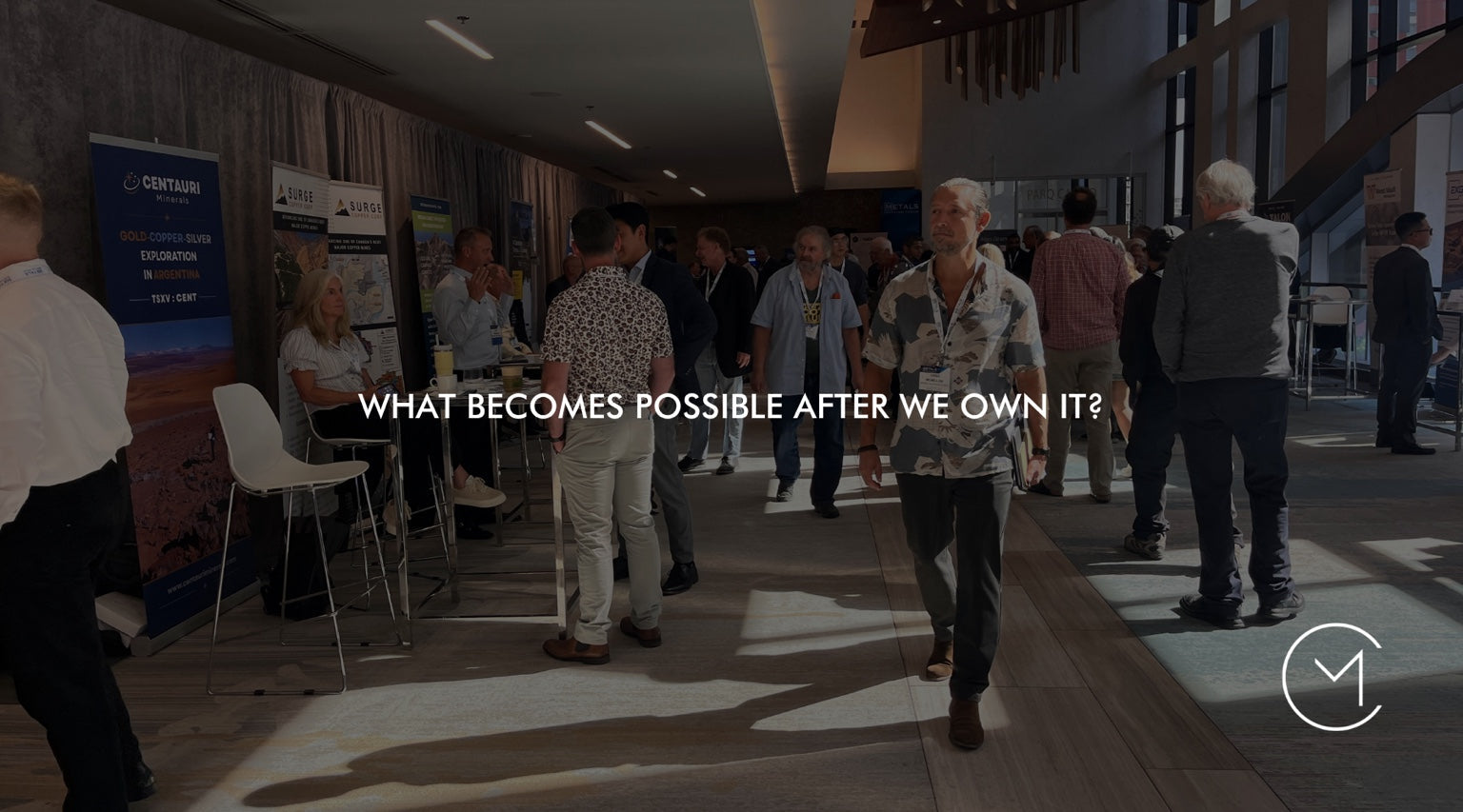
Who controls the customers? Who controls distribution? Who has the capital? Who has the technology? Who influences trust? Who has complementary assets? Who could become a buyer, supplier, partner or competitor?
Once you see the ecosystem, individual relationships make more sense.
Then the work becomes deliberate: prioritize the relationships capable of changing the trajectory of the business, find the warmest path where possible, create a relevant reason to talk and follow through professionally.
That is very similar to the investor-targeting process I describe in How to Build an Investor Target List. The principle is the same: fit beats volume.
Relationships compound. A conversation that produces nothing today can become a transaction years later. That is why I think the best business development is both strategic and genuinely relational.
This article is part of my Business & Strategy authority series. Continue with Business & Strategy hub, Unlocking Hidden Potential: How I Think About Business Strategy & Transformation, Capital Allocation: Every Dollar Should Have a Job and Venture Building: How I Think About Turning an Idea Into a Real Business.

Comments will be approved before showing up.