Innovation vs. Invention: Creating Something New Is Only the Beginning

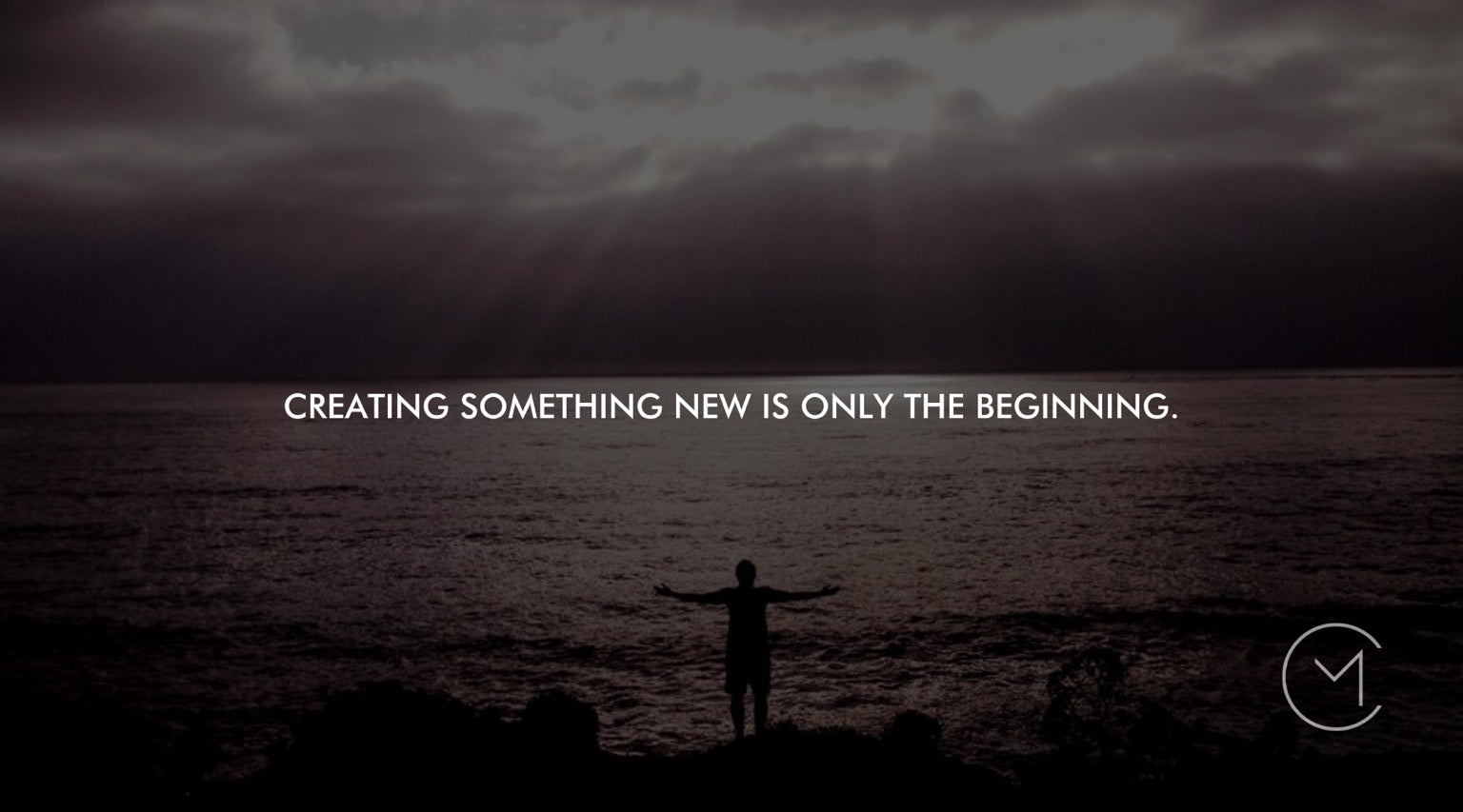
A silhouetted person stands with arms outstretched beside the ocean at sunset, illustrating that creating something new is only the beginning.

I think invention and innovation are related but different.

An invention can exist without changing anything.

It can be brilliant, patented and technically successful while sitting on a shelf.

Innovation has consequence.

It changes a process, behaviour, cost structure, experience, product, industry or outcome in a meaningful way.

That difference is why commercialization matters so much.

The inventor's question is often: can this be done?

The commercialization question is: can this create value in the real world?

Who adopts it? Why do they change? What infrastructure is required? What does implementation cost? How does the creator capture enough value to sustain the innovation?

Sometimes the invention itself is only one piece. The business model can be innovative. Distribution can be innovative. Financing can be innovative. The way existing technologies are combined can create more impact than a completely new technology.

This is why I define innovation broadly.

Innovation is creativity that changes something.

The pathway from invention into impact is explored more deeply in Commercialization. The larger creative system sits in Seeing What Others Miss.

Chad McMillan, creative entrepreneur and strategic advisor
Chad McMillan

Chad McMillan is a creative entrepreneur and strategic advisor with over 20 years of experience in and around the capital markets, focused on finding hidden potential in companies, ideas, markets and people, and advancing what they can become.

Leave a comment

Comments will be approved before showing up.


Continue Exploring

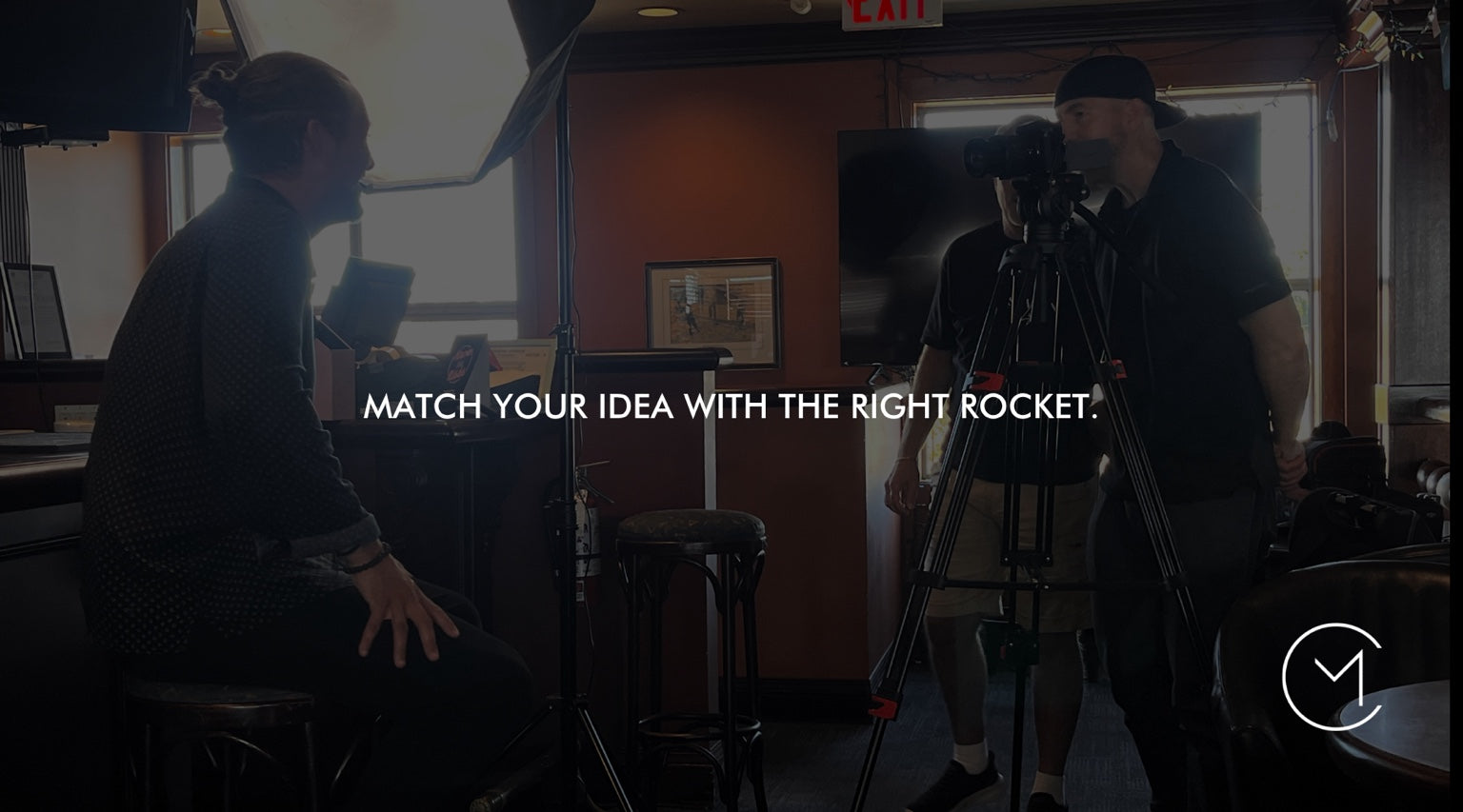
A behind-the-scenes production setting with a camera operator, illustrating the importance of matching an idea with the right vehicle.
The Right Vehicle for an Idea: Build It, Partner It, License It, Sell It or Let It Wait

A good idea does not automatically require a new company. Different ideas deserve different vehicles: operating ventures, partnerships, licensing, IP sales, creative projects or simply more time.
Read More
A man sits thoughtfully at a table, illustrating how AI is shrinking the distance between an idea and a practical experiment.
AI Is Collapsing the Cost of Testing Ideas

AI matters to me less as a novelty than as a change in the economics of experimentation. Individuals and small teams can now test certain ideas faster and more cheaply than was recently practical.
Read More
A man stands in a vivid purple hallway, illustrating how limited resources and constraints can encourage greater creativity.
Constraints Can Make You More Creative

Unlimited options can create paralysis. Constraints force prioritization, combinations and unconventional solutions—and can become a surprisingly powerful creative tool.
Read More
A man looks across the Vancouver skyline, illustrating the process of refining an idea until it is strong enough to become a business.
How I Decide Whether an Idea Is Worth Pursuing

I do not need every idea to become a company. I want to understand the problem, timing, differentiation, feasibility, economics, my own advantage and the right vehicle before deciding what an idea deserves.
Read More